Comparing Gas and Electric Leaf Blowers for Home Use
As homeowners look for efficient ways to maintain their yards in 2026, the choice between gas and electric leaf blowers becomes increasingly important. Each type of leaf blower offers unique advantages and disadvantages that cater to different needs and preferences. This article dives deep into the features, performance, and overall experience of using gas and electric leaf blowers, enabling you to make an informed decision that suits your specific requirements.
Performance Comparison of Gas and Electric Leaf Blowers
When evaluating gas and electric leaf blowers, performance is a critical factor. Gas leaf blowers typically provide more power and greater airflow, making them suitable for larger yards and heavy debris. In 2026, many homeowners with expansive properties often lean towards gas models for their robust capabilities. For instance, a homeowner in a suburban area with numerous trees may find that a gas blower can clear fallen leaves quickly and efficiently, even in wet conditions.
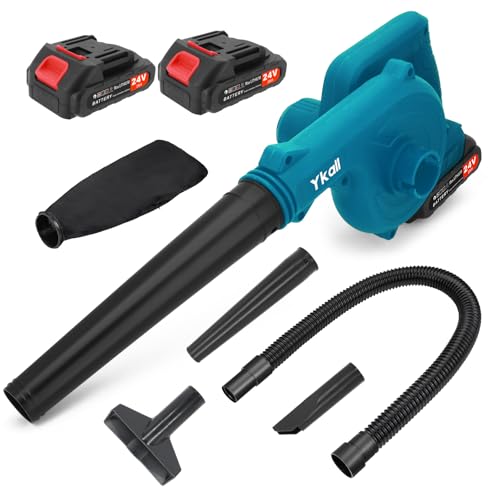
On the other hand, electric leaf blowers have significantly improved in performance over the years. In 2026, many models boast impressive CFM ratings that make them a viable option for medium-sized yards. A homeowner in an urban neighborhood with limited space might prefer an electric blower for its lightweight design and ease of use. This type of blower is particularly effective for routine maintenance, allowing users to clear small amounts of leaves and debris with minimal effort.
Power Sources and Efficiency
In 2026, the choice between gas and electric leaf blowers often hinges on power source considerations. Gas blowers run on a mixture of gas and oil, providing extended run times without the need for frequent recharging. This makes them particularly advantageous for homeowners who require prolonged use, such as during fall cleanup when leaves are abundant. However, with the growing awareness of environmental concerns, many are now considering the impact of gas emissions.
Conversely, electric leaf blowers, whether corded or battery-operated, are gaining popularity due to their eco-friendly nature. Battery technology has advanced significantly, offering longer run times and quicker charging options. A homeowner using a battery-operated blower in 2026 can enjoy the convenience of portability without the hassle of cords. For instance, a small garden enthusiast may find that a lightweight electric blower is perfect for quickly tidying up after a gardening session.
People Also Look For:
- Coopers of Stortford - Turbo Air Broom Cordless Leaf Blower - Lightweight 600g Jet Air Sweeper with Rechargeable USB - Clears Pati...
- 4 Gear Cordless Leaf Blower for Einhell Power X-Change 18V Li-ion Battery, 130000RPM Compressed Air Duster Super Mini Jet Fan for ...
- SEYVUM 20V String Trimmer and Leaf Blower Combo Kit, 12-inch Cordless Weed Trimmer with 6 Pcs Grass Cutter Spool Line, 500 CFM Ele...
- Small Cordless Leaf Blower, 38000RPM High-Power Blower, Stepless speed change, 1 * 21V Battery & 1 Fast Charge, Handheld Electric ...
- Garden Gear 3000W Powerful Leaf Blower 8.5m Power Cable Lightweight Quick-Click detachable tubes Easy to use & Storage
Cost Considerations for Homeowners
Cost is a significant factor when choosing between gas and electric leaf blowers. In 2026, the initial purchase price of gas models tends to be higher than that of electric models. Homeowners should also factor in the ongoing costs of fuel and maintenance associated with gas leaf blowers. Regular oil changes, spark plug replacements, and fuel purchases can add up over time, making these models less economical in the long run.
Electric blowers, while typically less expensive upfront, may require investment in batteries for cordless models. However, the lack of fuel costs and minimal maintenance needs makes them an attractive option for budget-conscious homeowners. A homeowner managing a smaller yard might find that opting for an electric model allows for savings without sacrificing performance.
Noise Levels and Environmental Impact
Noise pollution is a growing concern among homeowners and communities in 2026. Gas leaf blowers are often louder than their electric counterparts, which can be disruptive, especially in residential areas. A homeowner using a gas blower early in the morning may receive complaints from neighbors due to the noise. In contrast, electric leaf blowers are generally quieter, making them suitable for suburban neighborhoods where noise restrictions may apply.
Furthermore, electric models align more closely with eco-friendly practices. As communities emphasize sustainability, homeowners are increasingly seeking equipment that minimizes their environmental footprint. In 2026, choosing an electric leaf blower can be part of a broader commitment to reducing emissions and promoting green practices. A homeowner who values environmental stewardship may opt for electric options as they contribute to cleaner air quality.
User Experience and Convenience
When it comes to user experience, both gas and electric leaf blowers offer distinct benefits. Gas leaf blowers, while powerful, can be cumbersome due to their weight and bulkiness. Homeowners using these models often require more physical effort, especially during extended periods of use. However, many gas models now feature ergonomic designs that enhance comfort during operation.
In comparison, electric blowers are typically lighter and easier to maneuver. This can be particularly advantageous for individuals with limited physical strength or those managing smaller properties. A homeowner may find that an electric blower allows them to navigate tight spaces and perform quick cleanups without feeling fatigued. Additionally, electric models generally have lower vibrations, contributing to a more comfortable user experience.
Maintenance Requirements and Longevity
Maintenance is another crucial aspect when comparing gas and electric leaf blowers. Gas models require regular upkeep, including fuel mixing and periodic servicing to ensure optimal performance. In 2026, homeowners who invest in gas blowers need to be prepared for these additional responsibilities. However, proper maintenance can extend the lifespan of these machines, offering reliable service for years.
Electric leaf blowers, in contrast, demand far less maintenance. With no fuel or oil changes, owners can focus on simply keeping the blower clean and charged. In 2026, many homeowners appreciate this convenience, as it allows for more time spent enjoying their outdoor spaces rather than managing equipment. This shift in focus aligns with the broader trend of simplifying home maintenance tasks.