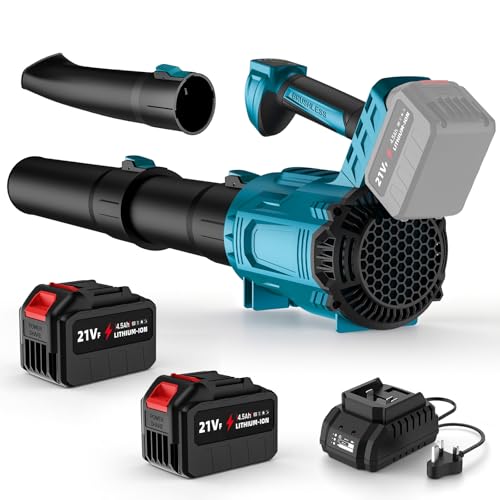
Secrets to Maintaining Your Leaf Blower Efficiently
In 2026, leaf blowers have become an essential tool for homeowners and professionals alike, providing an efficient way to keep outdoor spaces tidy. As these machines become increasingly popular, understanding how to maintain them efficiently is key to ensuring longevity and optimal performance. This article delves into the secrets of leaf blower maintenance, offering insightful tips and practices that will help users get the most out of their equipment.
Understanding Your Leaf Blower
Before you can effectively maintain your leaf blower, it is crucial to understand its components and how they function. Leaf blowers come in various types, including gas-powered, electric, and battery-operated models. Each type has its own maintenance requirements and understanding these distinctions will guide your upkeep strategy.
Types of Leaf Blowers
Gas-powered leaf blowers typically offer more power and are suitable for larger areas. However, they require regular maintenance of their engines, including oil changes and spark plug replacements. On the other hand, electric and battery-operated blowers are quieter and easier to maintain, but they may not provide the same level of performance for extensive jobs. In 2026, advancements in battery technology have improved the efficiency of cordless blowers, making them a popular choice among homeowners.
Key Components to Monitor
The main components of your leaf blower that require attention include the air filter, fuel system, and battery if applicable. Regularly checking these components can prevent performance issues. For gas-powered models, ensure the fuel is fresh and check the fuel lines for leaks or blockages. For battery-operated units, inspect the battery connections and ensure they are clean and free from corrosion.
Routine Maintenance Practices
Establishing a routine maintenance schedule is essential for keeping your leaf blower in peak condition. In 2026, many manufacturers recommend specific maintenance intervals based on usage, which can help you plan your upkeep accordingly.
Cleaning the Air Filter
The air filter plays a vital role in your leaf blower's performance. A clogged air filter can restrict airflow, causing the engine to work harder and leading to potential damage. For gas models, clean or replace the air filter according to the manufacturer's recommendations. Electric models typically have a foam or paper filter that should be cleaned regularly to maintain airflow.
People Also Look For:
- Cordless Leaf Blower Small Portable Leaf Blower 38000RPM High-Power Blower with 21V Battery & 1 Fast Charge, Handheld Electric Blo...
- NOVORA Cordless Leaf Blower – 600,000 RPM High-Speed Motor, 2 Batteries & Fast Charger, Digital Battery Display, 21V Lithiu...
- LPQKCcY Leaf Blower, Cordless Leaf Blower Portable Electric Air Blower with Battery & Charger Garden Blowers for Garden Lawn Care ...
- Cordless Leaf Blower – Powerful Battery Powered Leaf Blower with 2 Batteries & Fast Charger, Lightweight Electric Garden Bl...
- Leaf Blower, POIFL Cordless Leaf Blower with 21V Dual 4000mAh Batteries,1200W Brushless Motor, 5-Speed + Turbo Mode, 260km/h 735 C...
Inspecting the Fuel System
If you own a gas-powered leaf blower, the fuel system is a critical area to inspect. Old fuel can lead to starting issues and engine performance problems. Always use fresh fuel and consider adding a fuel stabilizer if you plan to store the unit for an extended period. Regularly check the fuel lines and filter for any signs of wear or blockage. For electric models, ensure the charging port is clean and free from debris.
Seasonal Maintenance Tips
In 2026, seasonal maintenance is particularly important as changing weather conditions can impact the performance of your leaf blower. Preparing your equipment for seasonal changes can prevent issues when you need it most.
Preparing for Fall
As fall approaches, ensure your leaf blower is ready for the increased demand. Inspect the spark plug and replace it if it shows signs of wear. Clean the exterior of the blower to remove any dirt or debris that could affect airflow. Additionally, check the battery level and charge it fully if you own a cordless model. Having a well-maintained blower will make the task of clearing leaves much easier.
Winter Storage Practices
Proper winter storage is crucial for gas-powered leaf blowers. After the last use of the season, drain the fuel tank or run the engine until it runs out of fuel to prevent gumming in the carburetor. Store the blower in a dry, cool place. For electric models, make sure to store the battery in a moderate temperature environment to extend its lifespan.
Common Issues and Troubleshooting
Despite regular maintenance, issues can still arise. Understanding common problems and how to troubleshoot them can save you time and frustration. In 2026, many users report difficulties related to starting, stalling, or reduced power.
Starting Difficulties
If your leaf blower struggles to start, check the fuel level and ensure that it is fresh. For gas models, inspect the spark plug for wear. For electric models, ensure the battery is charged and the connections are secure. Cleaning the air filter can also help improve starting performance.
Stalling Issues
Stalling can occur due to a fuel blockage or a dirty air filter. Inspect the fuel lines for clogs and replace the air filter if necessary. Regular maintenance practices can significantly reduce the likelihood of these issues occurring.
Reduced Power Output
Reduced power can be attributed to a clogged air filter or a dirty spark plug. Cleaning or replacing these components can restore your leaf blower's performance. Additionally, check the tube for any obstructions that may hinder airflow.
Upgrading Your Leaf Blower
In 2026, advancements in technology and design mean that upgrading your leaf blower may be a consideration. Many homeowners are opting for battery-operated models due to their convenience and reduced noise levels. If your current blower requires frequent repairs or does not meet your needs, consider investing in a new model that offers the latest features.
Choosing the Right Model
When selecting a new leaf blower, consider your specific needs. Evaluate the size of your property and the typical tasks you perform. For larger areas, a gas-powered blower may still be the best option, while smaller yards may benefit from the portability of a battery-operated model. Researching reviews and performance ratings can help guide your decision.
Leveraging Technology
Many modern leaf blowers come equipped with smart technology that enhances their usability. Features such as adjustable speed settings, variable airflows, and even mobile app connectivity can make your yard work more efficient and tailored to your preferences. Investing in a high-quality model with these features can make yard maintenance less of a chore.