battery versus petrol leaf blowers a comprehensive comparison
As autumn sets in and the leaves begin to fall, many homeowners find themselves facing the perennial task of clearing their gardens and driveways. Leaf blowers have emerged as essential tools for managing this seasonal chore. In 2026, two prominent types of leaf blowers are at the forefront: battery-powered and petrol-powered models. This article delves into a comprehensive comparison of these two popular options, examining their efficiency, convenience, environmental impact, and overall performance.
Power and Performance
When it comes to power, petrol leaf blowers traditionally have the upper edge. They often deliver higher airspeeds and greater airflow, making them particularly effective for tackling dense, wet leaves or large areas. For instance, some high-end petrol models can produce airspeeds exceeding 200 miles per hour, which is ideal for heavy-duty tasks.
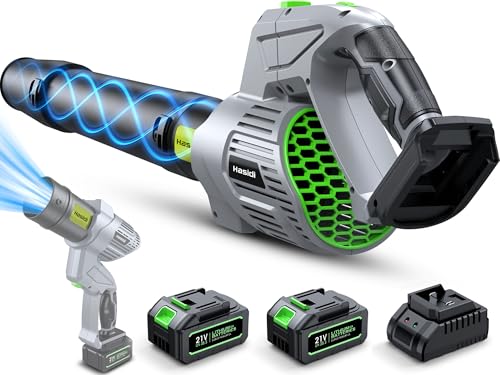
Battery leaf blowers, on the other hand, have made significant advancements in recent years. Many now come equipped with brushless motors that provide impressive performance levels. While they may not match the absolute power of petrol models, they are increasingly capable of handling light to moderate leaf blowing tasks effectively. Additionally, many battery models can reach airspeeds of around 120 to 150 miles per hour, which is sufficient for most domestic needs.
Ease of Use and Convenience
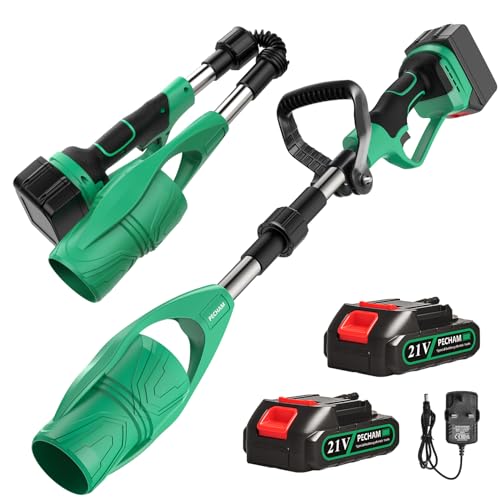
One of the most significant advantages of battery leaf blowers is their ease of use. They are generally lighter than their petrol counterparts, making them easier to manoeuvre during extended use. Battery models typically feature a simple push-button start, eliminating the frustration of dealing with pull cords. Furthermore, without the need for fuel mixing or maintenance of a combustion engine, battery blowers can save time and hassle.
People Also Look For:
- Bosch Cordless Leaf Blower UniversalLeafBlower 18V-130 (for Fast and Easy Outdoor Clearing; 18 Volt System; 1x 2.5Ah Battery and C...
- Blinme Leaf Blower Cordless with Battery | Cordless leaf blower, 55000RPM Adjustable Speed & 2 Pcs*21V Battery | Snow Blowing, Law...
- Leaf Blower, 21V Leaf Blower Cordless with 2 x 4000mAh Batteries, Max.245+ km/h 6-Speed Control & Brushless Motor, Cordless Leaf B...
- Bosch Electric Leaf Blower and Vacuum Universal Garden Tidy 2300 (2000 W, collection bag 45 l, 3-in-1 function , low noise level o...
- Coopers of Stortford - Turbo Air Broom Cordless Leaf Blower - Lightweight 600g Jet Air Sweeper with Rechargeable USB - Clears Pati...
On the other hand, petrol leaf blowers require more upkeep, including regular maintenance of the engine and fuel system. Users must be prepared to mix fuel and oil, which can be cumbersome. Additionally, the weight of petrol models can lead to fatigue during prolonged use, especially when working in larger gardens.
Environmental Impact
As environmental awareness grows, so does the scrutiny of our gardening tools. Battery leaf blowers are often considered more eco-friendly. They produce zero emissions during operation and are significantly quieter than petrol models, making them a better choice for residential areas where noise complaints may arise.
In contrast, petrol leaf blowers emit harmful pollutants and contribute to greenhouse gas emissions. They also tend to be noisier, which can disturb both wildlife and neighbours. Choosing an electric battery model is a more sustainable option for conscious gardeners looking to reduce their carbon footprint.
Runtime and Charging
One of the common concerns regarding battery leaf blowers is runtime. Depending on the model and battery capacity, users can expect anywhere from 20 to 60 minutes of continuous use on a single charge. For many homeowners, this is adequate for small to medium-sized properties. However, for those with larger gardens, it may necessitate multiple battery packs or scheduled charging breaks.
In comparison, petrol leaf blowers can run for several hours on a full tank, making them ideal for extensive landscaping jobs. However, the need to carry extra fuel can be impractical and adds weight.
Cost Considerations
The initial purchase price of petrol leaf blowers is often lower than that of high-quality battery models. However, it is essential to factor in the ongoing costs associated with petrol usage and maintenance. Battery leaf blowers may have a higher upfront cost but typically offer savings over time due to lower operating costs and minimal maintenance needs.
When considering overall value, it is wise for consumers to evaluate their specific garden maintenance requirements, as well as the long-term implications of their investment.